
The dream of pouring your own concrete is a powerful one. It speaks to self-reliance, quality control, and the very essence of building something enduring. For many, the focal point of this dream is the batch plant itself—the towering silos, the rhythmic mixer, the promise of self-sufficiency. Yet, in the warm glow of that vision, the ground beneath our feet often fades to a mere afterthought. The true genesis of a successful batching operation, however, doesn't begin with the first bag of cement. It starts in the quiet, unseen world of civil works, foundations, and utilities. These are not mere preliminaries; they are the silent, steadfast guardians of your investment, and overlooking their intricacies is where hidden costs quietly take root, waiting to blossom into budgetary surprises.
The Unseen World Beneath: Excavating More Than Dirt
The first cut of the shovel feels like progress. It is tangible. But this act of excavation is a dialogue with the land, a conversation that reveals the site’s true character—and its potential demands. The initial cost estimate for earthworks is often a simple volume calculation. Reality, however, is a tapestry woven from soil composition, water table whispers, and the slope of the land. You might budget for moving common fill, only to discover a stratum of unstable peat or a shelf of stubborn bedrock. The former requires removal and expensive replacement with engineered backfill; the latter demands rock-breaking equipment and time. Then comes the ballet of grading and compaction, a meticulous process of sculpting the earth to shed water perfectly and bear immense loads without settling. Each pass of the compactor, each layer of select fill, is a stitch in the fabric of your plant’s future stability. Skimping here is an invitation for the ground to shift, for slabs to crack, for the entire operation to tilt ever so slightly out of true. The concrete batch plant cost isn’t just in the cubic meters moved; it’s in the precision required to create a perfectly passive and predictable stage for the industrial performance to come.
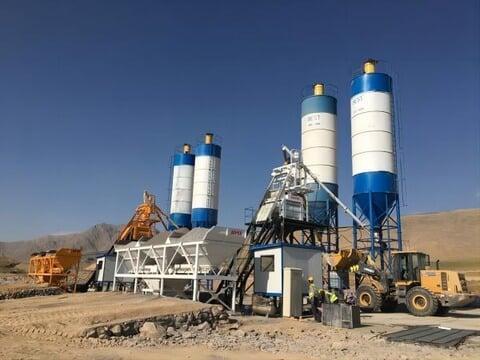
The Lifelines: Utilities as a Labyrinth, Not a Line Item
A batch plant is a living entity. It thirsts for water, hungers for immense electrical power, and requires a clear path for discharge. Extending these lifelines from the nearest municipal tie-in point to the heart of your site is a journey through a labyrinth of logistical and regulatory nuance. The simple, drawn line on a plan between a power pole and your motor control center belies a complex undertaking. Trenching for electrical conduits large enough to handle the amperage of large motors is one cost. The transformers, the dedicated feeders, the potential need for a service upgrade from the utility company—these are separate chapters in the same expensive story. Water supply must be abundant and reliable, often necessitating large-diameter pipes and perhaps a dedicated submersible pump or a holding pond. And then there is the water that leaves. Managing process water, washout, and stormwater runoff isn’t optional; it’s an environmental imperative. This means designing and constructing sediment basins, containment curbs, and often, permeable paving systems. Each of these utilities—power, water in, water out—carries not only a material and labor cost but also the soft costs of permits, inspections, and design by specialized engineers. They are the circulatory and nervous systems of your operation, and their installation is a surgical procedure, not a casual connection.
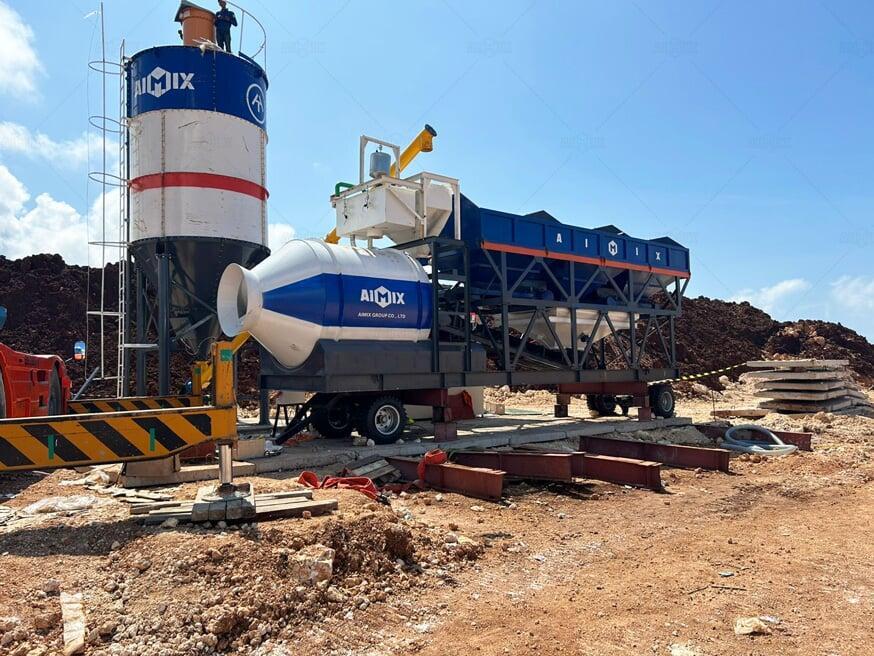
The Anchoring: A Foundation of Uncompromising Integrity
Upon the prepared earth, we place the foundation. This is the final handshake between man-made structure and natural world, the non-negotiable pact of support. For a concrete batch plant for sale, this is not a simple slab. It is a constellation of specific, heavily engineered concrete elements, each with a unique personality and purpose. The mixer foundation is a massive block of concrete, isolated to absorb tremendous dynamic loads and vibration. Silo foundations are deep, reinforced piers or rafts designed to resist colossal overturning moments from wind and the shifting weight of full and empty compartments. Conveyor legs, cement batchers, and storage bays all require their own tailored footings or slabs. The hidden cost here is one of specificity and unforgiving physics. The concrete mix design must be exact, the rebar placement meticulous, the curing process undisturbed. Any compromise in thickness, strength, or reinforcement is a latent flaw, a place where fatigue will find a home. The cost of the foundation is the insurance premium for the entire asset above it. It is the one element where value engineering must never mean compromise. A flaw in a piece of machinery can be repaired. A failing foundation requires a heartbreaking and astronomically expensive resurrection of the entire installation process. It is, in the truest sense, the bedrock of your enterprise, and its cost is the foundational investment for every successful load of concrete that will follow.