
In the vibrant and rapidly developing construction landscape of Tanzania, portable concrete batch plants have emerged as indispensable assets. Their flexibility, efficiency, and ability to deliver consistent concrete quality on-site make them particularly attractive for infrastructure projects scattered across diverse terrains. From rural roadworks to urban high-rise developments, these mobile systems minimize logistical bottlenecks while optimizing production timelines. Yet, beneath their apparent convenience lies a multifaceted cost structure shaped by engineering precision, supply logistics, and regional market dynamics. Understanding these layers is essential for investors and contractors seeking to make prudent, value-driven decisions.
This article explores the financial intricacies and technical considerations surrounding portable concrete batch plants in Tanzania. It delves into cost determinants, engineering specifications, and supply chain nuances, offering a comprehensive perspective that balances practicality with strategic foresight.
1. Core Cost Components of Portable Concrete Batch Plants
1.1 Equipment Pricing and Configuration Variability
The base price of a portable concrete batch plant in Tanzania fluctuates significantly depending on its configuration and production capacity. Smaller units, designed for modest output, may start at relatively accessible price points, while high-capacity systems equipped with advanced automation can command substantially higher investments. Customization plays a pivotal role here. Features such as twin-shaft mixers, precision batching systems, and integrated control panels introduce incremental costs but also elevate operational efficiency.
Interestingly, modular design elements often allow buyers to tailor systems according to project-specific demands. This adaptability, while advantageous, necessitates careful financial planning. A seemingly economical unit can quickly escalate in price when augmented with additional silos, conveyors, or moisture control systems. Therefore, a meticulous evaluation of project scope is indispensable before finalizing specifications.
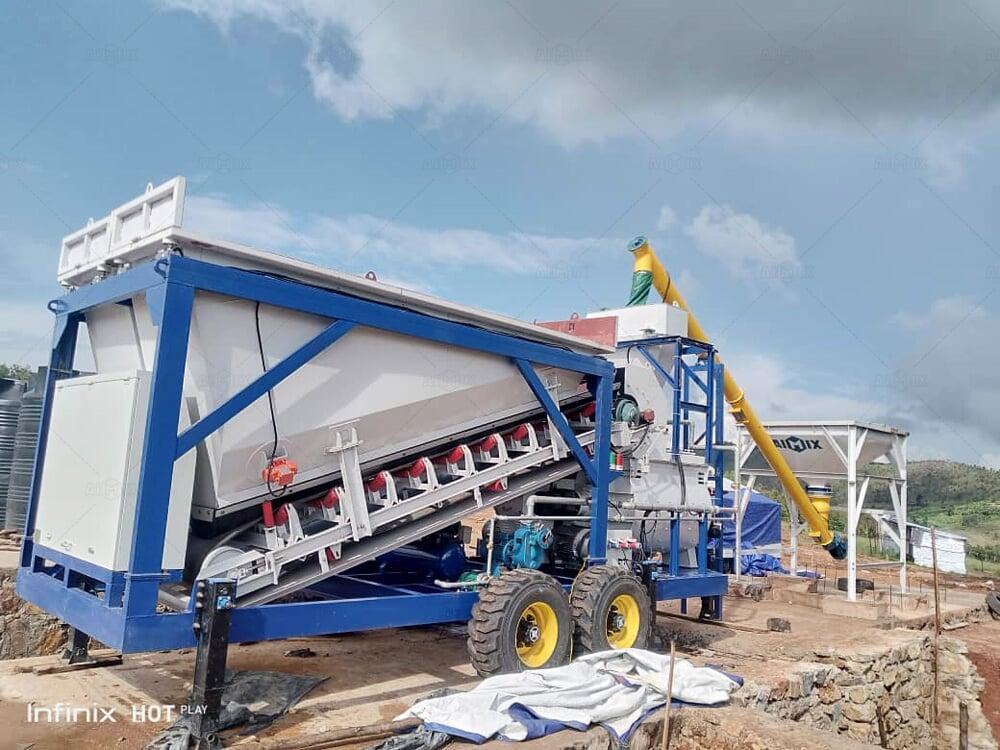
1.2 Transportation, Import Duties, and Installation Expenses
Beyond the equipment itself, ancillary costs significantly influence the overall expenditure. Tanzania’s reliance on imported industrial machinery means that shipping fees, port handling charges, and customs duties must be factored into the budget. These expenses can be surprisingly substantial, particularly for bulky components requiring specialized transport arrangements.
Installation is another critical cost vector. While portable concrete plants for sale are designed for relatively swift deployment, they still require site preparation, calibration, and skilled labor. In remote areas, logistical complexities may further inflate these costs. Consequently, a holistic cost assessment must encompass not only procurement but also the intricate choreography of delivery and setup.
2. Engineering Specifications and Performance Factors
2.1 Production Capacity and Automation Levels
Engineering sophistication directly correlates with both cost and performance. Production capacity, typically measured in cubic meters per hour, is a primary determinant. Higher-capacity plants facilitate large-scale operations but demand greater capital investment. Conversely, smaller units offer affordability and mobility, albeit with limited output.
Automation introduces another layer of complexity. Fully automated systems, equipped with digital control interfaces and real-time monitoring capabilities, enhance precision and reduce human error. They also streamline operations, enabling consistent quality even under demanding conditions. However, this technological refinement comes at a premium. Balancing automation with budgetary constraints requires a nuanced understanding of operational priorities.

2.2 Durability, Materials, and Environmental Adaptability
Tanzania’s diverse climatic conditions—ranging from humid coastal regions to arid inland zones—necessitate robust engineering. High-quality steel structures, corrosion-resistant coatings, and reinforced components are essential for ensuring longevity. While these features elevate initial costs, they mitigate long-term maintenance expenses and downtime.
Adaptability is equally crucial. Small concrete batching plants sale must withstand frequent relocation and variable site conditions. Engineering designs that emphasize structural integrity and ease of assembly can significantly enhance operational resilience. In this context, investing in durable materials is not merely a cost consideration but a strategic imperative.
3. Supply Chain Dynamics and Vendor Considerations
3.1 Local vs International Suppliers
The choice between local distributors and international manufacturers profoundly impacts both cost and reliability. Local suppliers often provide quicker delivery times and simplified communication channels. However, their product range may be limited compared to global manufacturers offering cutting-edge technology and व्यापक customization options.
International procurement, while potentially offering superior quality, introduces complexities such as extended lead times and currency fluctuations. Buyers must weigh these factors carefully, considering both immediate project needs and long-term operational goals. Strategic sourcing can yield significant cost efficiencies when executed with diligence.
3.2 After-Sales Support and Spare Parts Availability
A frequently overlooked yet critical aspect is after-sales support. Reliable technical assistance, readily available spare parts, and responsive maintenance services can dramatically influence the total cost of ownership. In Tanzania, where infrastructure challenges may impede rapid servicing, partnering with vendors who maintain local support networks is highly advantageous.
Spare parts availability is particularly vital. Delays in sourcing components can halt operations, leading to costly project setbacks. Vendors offering comprehensive support packages, including training and preventive maintenance programs, provide an added layer of security. Ultimately, the true value of a portable concrete batch plant extends beyond its purchase price to encompass the entire lifecycle of operation.