The selection of concrete pumping equipment across the Middle East is not a matter of mere availability; it is a complex decision predicated upon the distinct geological, logistical, and regulatory parameters of the site. The Arabian Peninsula presents a dichotomous operational landscape. On one hand, the towering verticality of the United Arab Emirates' urban corridors demands machinery capable of overcoming significant head pressures and navigating congested infrastructure. On the other, the vast, undeveloped expanses of the Saudi Arabian hinterland require robust, high-volume solutions optimized for horizontal distribution and resilience against abrasive desert conditions. A nuanced understanding of these divergent application profiles is essential for procurement managers and civil engineers to ensure operational continuity and capital efficiency. Specifying the incorrect types of concrete pumps can lead to frequent blockages, accelerated component wear, and costly project delays, underscoring the need for a site-specific analytical approach.
Vertical Logistics and Confined Corridors: Pumping Solutions for Urban UAE
The urban fabric of cities like Dubai and Abu Dhabi is characterized by extreme verticality and spatial constraints. Construction activities frequently occur within dense clusters of existing skyscrapers, requiring pumping systems to deliver concrete to heights exceeding 300 meters. This necessitates the deployment of high-pressure
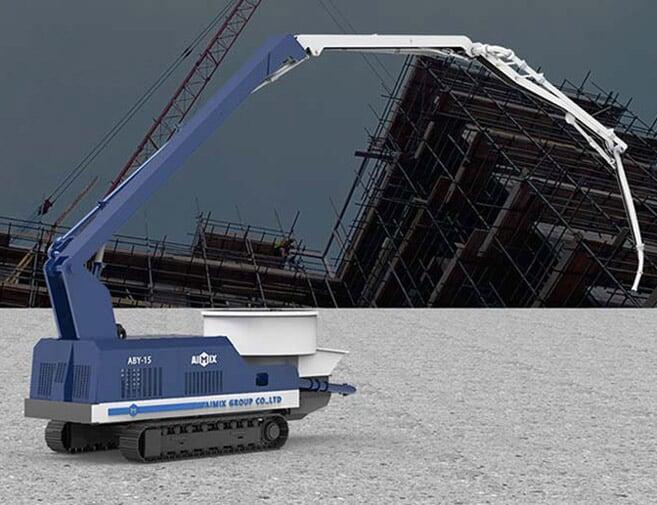
stationary concrete pumps in Saudi Arabia with specialized hydraulic systems capable of generating line pressures sufficient to overcome both gravitational forces and friction losses within the delivery pipeline. These units are typically equipped with rock valves rather than gate valves to provide a smoother material flow and reduce the risk of segregation under extreme pressure. Furthermore, the jobsite access is often limited to narrow service roads or basement-level ramps. Consequently, placing boom masts must possess a compact unfolding geometry and a small outrigger footprint to achieve stability without encroaching on adjacent properties. The integration of radio remote controls becomes paramount, allowing operators to position the boom end with millimeter precision from the point of pour, navigating rebar congestion and formwork with enhanced safety and accuracy.
Horizontal Endurance and Arid Logistics: Engineering for Rural Saudi Arabia
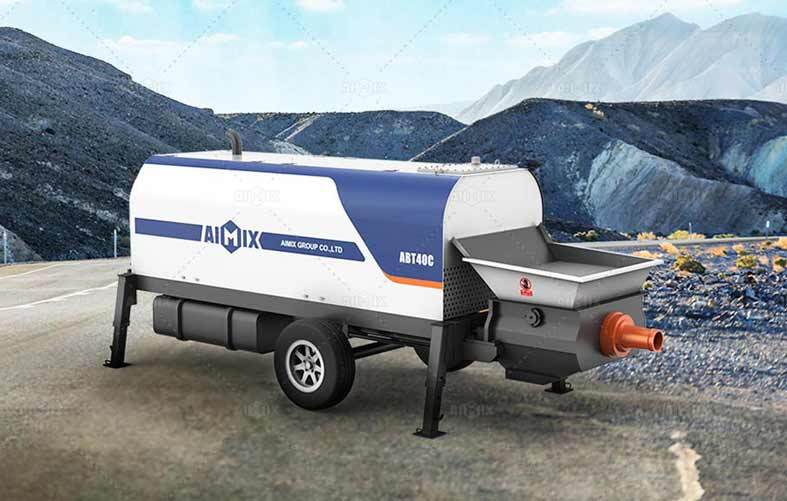
Transitioning to the rural and neom development zones of Saudi Arabia, the engineering priorities shift dramatically from vertical lift to horizontal endurance. Projects such as massive infrastructure corridors, desert pipeline installations, and new city foundations require concrete to be conveyed across distances that can exceed one kilometer horizontally. In this context, the pump of choice is often the line pump or a specialized trailer pump configured for extended runs. The primary engineering challenge here is maintaining concrete consistency and slump over vast distances without inducing line blockages. These
concrete pumps for sale in Dubai feature larger-diameter material cylinders and longer stroke lengths to gently move the mix at lower cycles per minute, reducing wear on the delivery system. The hydraulic cooling capacity is also a critical specification; operating in ambient temperatures frequently exceeding 45°C generates significant thermal load, and inadequate cooling leads to oil degradation and pump inefficiency. Additionally, the prevalence of aeolian sand and fine dust necessitates superior filtration and sealed electrical cabinets to prevent component ingress and premature failure in these remote, unmanaged environments.
Mix Design Compatibility and Machine Configuration
A pivotal, yet often overlooked, determinant in pump selection is the compatibility of the machine's internal geometry with the region-specific concrete mix designs. In the UAE's high-rise sector, mixes are often enriched with microsilica and high-range water reducers to achieve high strength and pumpability. These sticky, cohesive mixes require pumps with smooth transitions and wear-resistant pipework to prevent buildup. The Saudi rural application, however, frequently utilizes mixes with larger nominal aggregate sizes for mass foundations. Here, the pump's internal waterbox and S-valve must possess a generous clearance to allow these larger aggregates to pass without bridging. Failure to match the pump's valve type to the aggregate size results in catastrophic blockages. Furthermore, the material cylinder diameter dictates the maximum aggregate size; a standard 200mm cylinder may struggle with 40mm aggregate, necessitating a move to a 230mm cylinder for reliable operation. Therefore, the selection matrix must incorporate the physical properties of the intended concrete matrix, not merely the site layout, to achieve a harmonious and productive pumping operation.