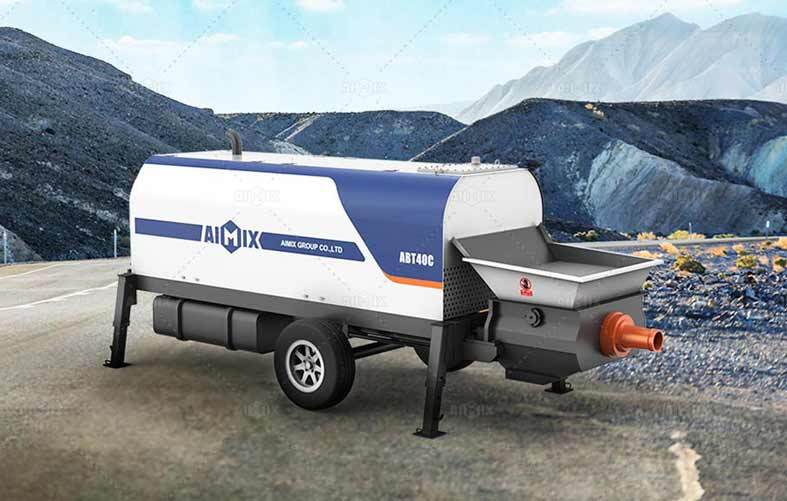
Reaching for the sky with a new high-rise is one of the most exciting endeavors in construction. It’s a symphony of steel, glass, and concrete, where ambition literally takes shape. And at the heart of this vertical ballet, ensuring the lifeblood of the structure flows flawlessly upward, is the line pump for sale. This isn't just a machine; it's your project's vertical lifeline. But owning a powerful pump isn't enough—unlocking its full potential requires a blend of careful choreography, technical savvy, and a touch of finesse. Let's explore how to transform this robust piece of equipment from a simple conveyor into the most valuable player on your high-rise team, ensuring every pour is as smooth as the finished facade.
The Foundation of Success: Meticulous Pre-Pour Preparation
Long before the first droplet of concrete journeys up the pipeline, the stage for a successful pour must be set with precision. This phase is all about foresight, where proactive planning pays monumental dividends. Imagine trying to solve a complex puzzle during a timed race; that's what an unplanned pour feels like. Instead, treat the setup like a master blueprint for flow.
The Blueprint for Flow: Strategic Pipeline Planning and Setup
The path the concrete will travel is its own architectural marvel. A haphazardly snaked pipeline is a recipe for bottlenecks and pressure spikes. The route must be the most direct and efficient path possible, securely anchored at every floor to prevent dangerous whipping under high pressure. Every bend is a potential resistance point, so minimizing sharp angles is crucial. Furthermore, incorporating a well-sized surge-relief valve into the system is non-negotiable. This clever device acts as a pressure moderator, absorbing the hydraulic shocks that can occur when valves are switched, protecting the entire system from catastrophic failure and ensuring a steady, predictable flow to the top.
The Heart of the Matter: Machine Readiness and Concrete Mix Design
Your
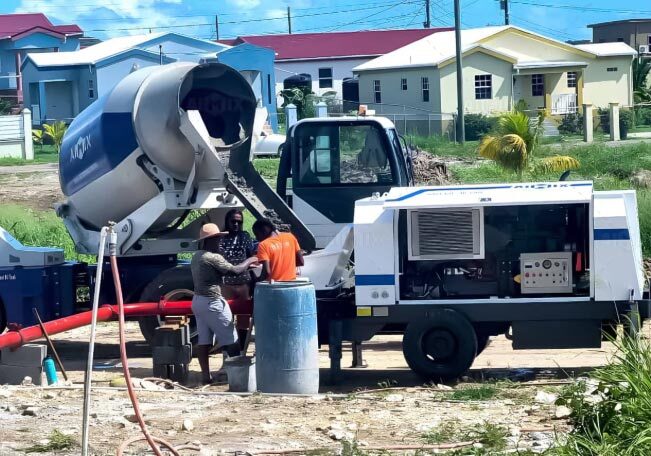
stationary pump for concrete must be in peak physical condition. A pre-pour inspection is a ritual, not a suggestion. Check hydraulic fluid levels, inspect the condition of the piston cups, and ensure all grease points are serviced. Simultaneously, you must become a maestro of mix design. The concrete itself is a key performer. For high-rise pumping, the mix needs high workability and cohesion. It must be fluid enough to move but robust enough to not segregate under pressure. A mix that is too stiff will strain the pump; a mix that is too wet will bleed and weaken. Collaborating with your batching plant to achieve the perfect slump and include stabilizing admixtures is the secret handshake to a stress-free pour.
The Art of the Pour: Mastering Real-Time Operations
When the pump roars to life, the planning phase transitions into a dynamic performance. This is where coordination and communication take center stage, turning raw power into graceful execution.
The Rhythm of the Rise: Coordinating the Crew and Managing Flow
The pump operator is the conductor of this concrete orchestra, and they must be in constant, clear communication with the crew on the pouring floor. Using two-way radios, the team below can relay exactly what’s happening above—when a section is full, when to slow down, or when to switch lines. A steady, moderate pumping rhythm is far superior to a frantic, stop-start approach. This consistent flow prevents the concrete from setting up in the line during pauses and reduces the risk of blockages. It’s a dance of supply and demand, ensuring the concrete is placed where it’s needed, when it’s needed, without haste or delay.
Pressure and Finesse: Advanced Pumping Techniques for Vertical Challenges
As the building climbs, so does the challenge. The pump must overcome immense pressure to lift concrete against gravity. The key is to manage this pressure intelligently. Modern pumps allow operators to fine-tune the output pressure and volume. Starting slowly and gradually increasing the flow allows the pipeline to fill evenly and helps identify potential issues before they become emergencies. For the highest floors, a technique known as "boosting" might be employed, where a separate, small concrete pump machine is installed at a mid-level floor to assist the main pump, effectively creating a relay system that shares the load and maintains efficient pressure all the way to the pinnacle.
Beyond the Pour: Proactive Maintenance and Continuous Improvement
The final bucket of concrete doesn't signal the end of your responsibilities to the pump. How you care for the machine after its Herculean effort determines its readiness for the next performance.
The Lifeline of the Pump: Rigorous Cleaning and Maintenance Protocols
Concrete left to cure inside a pipeline or pump is a death sentence for that equipment. The most critical post-pour operation is a thorough cleanout. This isn't just a quick rinse; it's a meticulous process of flushing the system with water, followed by a cleaning pig or foam ball, to ensure every last bit of aggregate and cement paste is expelled. Following this, another round of inspection and lubrication is essential. This post-performance TLC addresses the wear and tear of the pour, replacing any worn components like pipeline elbows or piston cups so the machine is never a question mark at the start of the next workday.
The Learning Loop: Post-Pour Analysis for Future Optimization
Finally, gather the crew for a brief debrief. What went well? Where were the hiccups? Was the mix ideal? Could the pipeline routing be improved next time? This practice of continuous refinement transforms every pour into a learning opportunity. By meticulously analyzing your process, you create a feedback loop that constantly elevates your efficiency, safety, and effectiveness, ensuring that with every new floor, your operation is smarter, smoother, and more successful than the last.