
The world beneath our feet presents a unique and formidable arena for construction, one defined by its inherent spatial constraints and logistical intricacies. Underground projects, from labyrinthine metro stations and utility tunnels to deep foundation work and subterranean parking garages, demand a specialized approach to material placement. In these environments, where every centimeter of space is precious and access is often a convoluted challenge, conventional concrete pouring methods frequently prove inadequate. They can be slow, labor-intensive, and dangerously imprecise. It is within this demanding context that the 15-meter boom pump for sale emerges not merely as a piece of equipment, but as a tailored engineering solution. Its specific dimensions and capabilities are uniquely suited to navigate the complexity of subterranean sites, transforming a high-stakes operation into a controlled, efficient, and remarkably safe process.
The Unique Challenges of the Subterranean Worksite
Underground construction is a discipline of limitations. The workspace is often a narrow, tunnel-like environment with low headrooms and a complete absence of the open skies found on surface sites. This spatial confinement severely restricts the movement of large machinery and makes the delivery of concrete to the far reaches of the worksite a significant hurdle. Furthermore, these sites are characterized by their limited access points, often involving steep ramps or vertical shafts that are the only conduits for men and materials. The environment itself adds another layer of complexity; ventilation can be limited, dust and fumes from small concrete pump truck equipment need careful management, and the ambient conditions are consistently demanding on machinery. In such a setting, equipment failure is not just an inconvenience—it is a catastrophic event that can halt the entire project, leading to exponential costs and dangerous delays. The very nature of underground work necessitates machinery that is not only compact and powerful but also possesses an unwavering reliability.
The 15m Boom Pump: An Engineering Solution for Constrained Sites
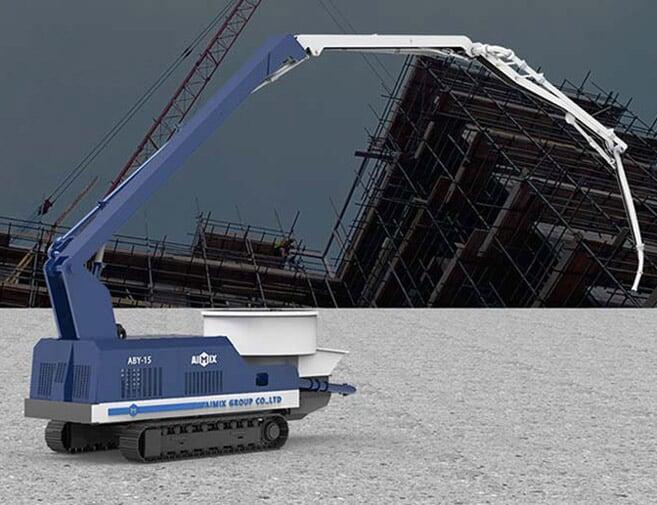
The 15m boom pump is engineered to meet these challenges with remarkable finesse. Its most salient feature is its optimal size. Unlike larger pumps that require vast staging areas, this unit can be positioned in surprisingly compact footprints, often at the head of a ramp or within a tight staging zone. The boom itself, with its multiple articulating sections, is designed for intelligent navigation. It can fold and unfold with a deliberate purpose, snaking through reinforced openings and around obstructions that would be insurmountable for rigid delivery systems. This allows for concrete placement in areas that are entirely inaccessible to concrete trucks or even larger, less maneuverable pumps. The reach is sufficient to cover a significant radial area from a single setup point, eliminating the constant need to reposition the equipment, which is a time-consuming and risky endeavor underground. The machinery is built with a robustness to withstand the rigors of the subterranean atmosphere, from heightened humidity to particulate matter, ensuring consistent performance where it is needed most.
Operational Advantages: Enhancing Safety and Project Timelines
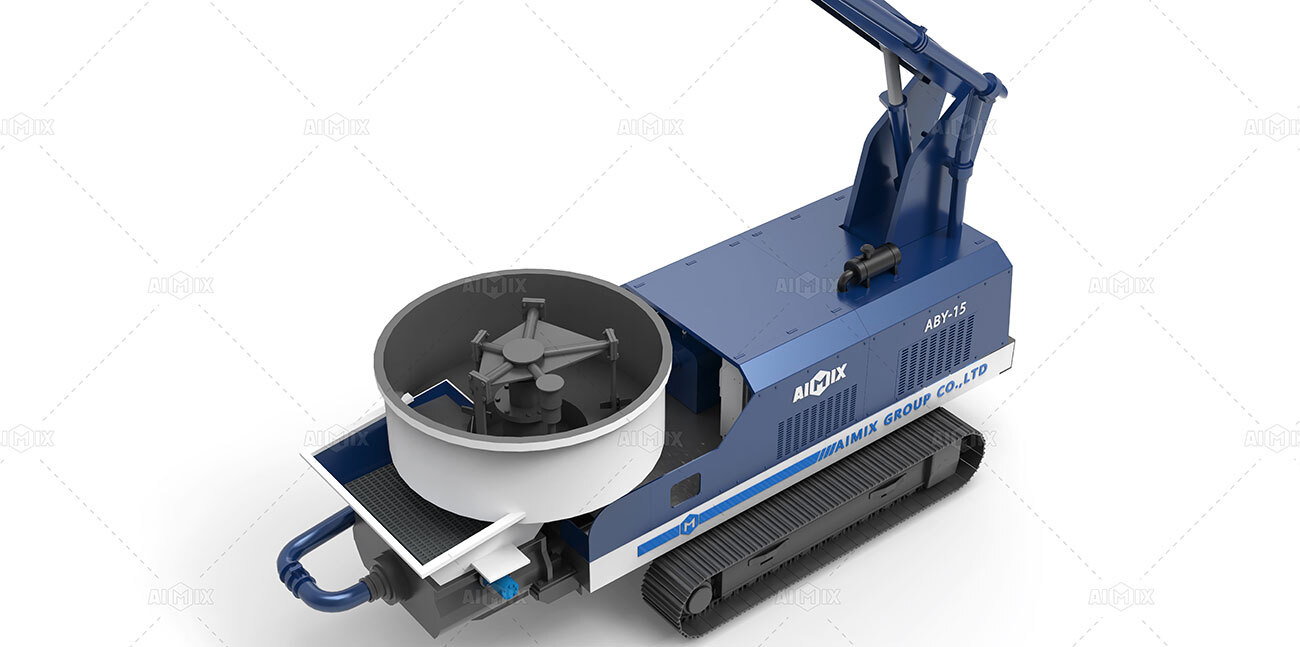
The practical benefits of deploying a 15m boom concrete pump and mixer in an underground project are profound and multifaceted. From a safety perspective, its impact is transformative. By automating the concrete placement process, it drastically reduces the number of workers required in the most hazardous zones—directly beneath the pour or in areas with limited egress. It eliminates the back-breaking labor of moving concrete with wheelbarrows through confined, often slippery, passageways, thereby reducing the risk of musculoskeletal injuries and slips. This mechanization creates a safer, more controlled worksite. In terms of project efficiency, the advantages are equally compelling. The pump enables a continuous, high-volume pour, which is critical for the structural integrity of monolithic underground elements like walls and slabs. This uninterrupted workflow prevents the formation of cold joints and accelerates the entire construction cycle. The cumulative effect of enhanced safety, reduced labor costs, and accelerated timelines directly bolsters the overall viability and financial success of the project, proving that the right tool is not an expense, but a strategic investment in navigating complexity.