
A quiet frustration hums through Conakry's construction hubs. Project managers clutch quotations that seem to multiply overnight. The allure of a distributor—polished, local, promising swift delivery—often masks a labyrinth of hidden markups. We must pause here. Is the path of least resistance truly the path of greatest economy? Guinea's unique logistics, its port delays at autonomous Port of Conakry, and the brutal wear on equipment from lateritic soils demand a more nuanced answer. Simply assuming a local distributor offers the lowest price ignores the perilous dance of inventory holding costs, currency exchange volatilities, and the ghost of obsolete stock. Let us dismantle this assumption piece by piece, examining where genuine savings actually reside.
1. The Distributor's Mirage: Perceived Savings Versus Actual Expenditure
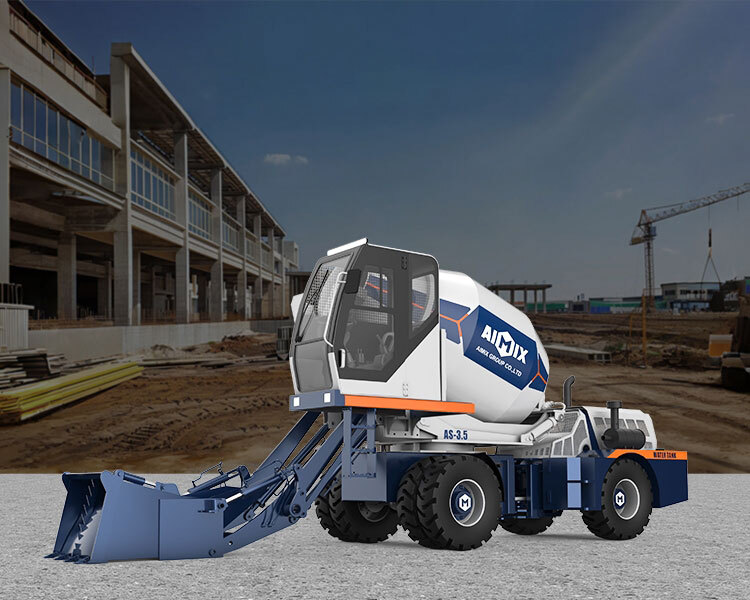
A distributor presents a comforting facade. You see a machine. You touch its weathered paint. You hand over Guinean francs. But comfort is not cost-efficiency. Distributors absorb freight, warehousing, and a cascade of intermediary logistics. Each of these steps carries a surcharge—often compounded by Guinea's infamous demurrage fees at the terminal. Furthermore, distributors rarely hold the precise self loading concrete mixer in Guinea you require. They stock popular, often over-specified, models. You end up paying for capacity you never needed. This is the tyranny of the "available now" fallacy. The price tag on that showroom floor includes the distributor's risk of holding inventory for six months in a humid climate that corrodes electronic sensors. You are subsidizing their idleness.
1.1 The Unspoken Commission Cascade
When a European or Chinese manufacturer sells to a Guinean distributor, they apply a wholesale discount. That discount, however, rarely reaches you. The distributor then layers a regional logistics premium, a customs clearance fee (often inflated), and a technical service buffer. Each layer seems modest. Collectively, they can inflate the base factory price by 35-45%. Worse, some distributors practice a form of "dynamic pricing" based on urgent project timelines. They know when you are under contract with a cement deadline. They smell the desperation. Suddenly, that "competitive" quote creeps upward. This is not conjecture; it is common commercial practice in emerging markets. Buying from a distributor frequently means funding three layers of profit before your mixer spins its first drum.
1.2 The Obsolete Inventory Trap
Consider the engine specifications. Distributors often hold machines built two or three years prior. The hydraulic pumps may use older seal designs. The control panels might lack modern ingress protection. Yet the price rarely reflects this technological depreciation. You are purchasing yesterday's engineering at tomorrow's projected rates. In Guinea's abrasive environment, those obsolete seals will fail prematurely. The distributor will then charge a premium for replacement parts—parts they knew were aging when they sold you the unit. This is a deferred cost masquerading as a bargain. The upfront "savings" vaporize the first time a wheel loader is needed to drag your self loading concrete mixer truck back to the workshop.
2. Direct Sourcing: Navigating the Perils for Genuine Affordability
Direct negotiation with a manufacturer flips the equation. The price becomes transparent: raw materials, labor, a reasonable engineering margin. But this path frightens buyers. They worry about letters of credit, about finding a reliable freight forwarder in Kamsar or Conakry. These fears are legitimate yet surmountable. The core question is not whether direct sourcing requires more effort. It is whether you value your capital more than your convenience. A manufacturer's ex-works price for a 3.5 cubic meter self-loading mixer typically undercuts distributor pricing by 20-30%. That delta represents real equipment—perhaps an extended warranty, perhaps a spare hydraulic motor. Do not let logistical intimidation rob your project of that capital.

2.1 Freight and Fiscal Responsibilities: A Manageable Burden
Yes, you must arrange shipping. Yes, you must engage a customs broker. However, these services are widely available in Guinea at competitive rates. The total cost of a 40-foot container from Shanghai or Istanbul to Conakry, including all handling, rarely exceeds $4,000-$6,000. Distributors often quote freight-included prices that imply far higher shipping costs. Moreover, when you control the import, you control the valuation for customs duties. Manufacturers will provide accurate, low-declaration commercial invoices if requested legally. A distributor cannot offer this flexibility. They must declare the full retail value. Your tax burden, therefore, is systematically lower when you source directly.
2.2 Commissioning and Spare Parts Logistics
A common argument for distributors is local support. Yet many distributors employ only two or three mechanics, often unfamiliar with newer electronic diagnostic systems. A reputable manufacturer will offer remote commissioning via video calls and detailed exploded-parts diagrams. They can air-ship a critical control board within 72 hours via DHL. Compare that to a distributor waiting for a monthly consolidated shipment. Direct sourcing forces you to build a small inventory of wearable items—blades, sensors, hydraulic filters. This upfront discipline pays dividends. You are no longer hostage to a middleman's stock levels. Your mixer runs because you planned ahead, not because a distributor answered a phone.
3. The Verdict: Beyond Sticker Price to Total Cost of Ownership
Let us stop pretending that the lowest purchase price equals the cheapest solution. A distributor may offer a marginally lower initial invoice because they are clearing aged stock. But that machine's total cost of ownership over three years—including downtime, part delays, and accelerated wear—often exceeds a directly sourced unit's lifecycle cost. Guinea is not Europe. Your roads are punishing. Your dust is pervasive. Your project margins are thin. In this environment, you need a self loading concrete mixer with pump whose provenance you know, whose components you specified, and whose maintenance pathway you control. A distributor disintermediates that control. They insert themselves between you and the engineer who designed the mixer.
3.1 A Practical Framework for Decision-Making
Ask the distributor for the manufacturer's original factory test certificate. If they hesitate, walk away. Demand a detailed breakdown of freight and customs fees. Compare the sum directly against a CIF (Cost, Insurance, Freight) quote from three manufacturers. Calculate the cost of downtime per hour for your project. Then ask yourself: can I afford the distributor's response time? Most importantly, request a six-month parts consumption forecast. The distributor who provides vague estimates is hiding poor support logistics. The manufacturer who provides exact part numbers with cross-referenced alternatives is investing in your success. Choose accordingly.
3.2 Final Appeal to Prudence
Do not be seduced by the distributor's showroom gloss. Those shiny floors are polished with your potential savings. Guinea's construction sector needs robust, traceable equipment—not convenient compromises. A self-loading concrete mixer is a production asset, not a consumer good. Treat its procurement with the seriousness of a capital investment. Insist on transparency. Reject unnecessary intermediation. The cheaper path, in the long arc of your project's timeline, is almost certainly the direct one. It requires more work upfront. It demands you learn about bills of lading and harmonized tariff codes. But that effort is the very source of your advantage. Comfort is expensive. Control is cheap. Choose control