
The pursuit of equipment for a construction project often involves navigating a fundamental tension between upfront cost and long-term capability. For concrete placement, this is acutely felt when considering mixer pumps. The notion of a "budget" solution in this category does not imply a compromise on core functionality or a descent into mechanical frailty. Instead, it represents a strategic selection process focused on precise application matching and operational efficiency. A well-chosen budget concrete mixing pump delivers a specific, high-value proposition: it provides an integrated mixing and pumping solution for projects where the scale does not justify the expense of separate, larger-scale equipment, yet where manual methods are impractical or too labor-intensive. The goal is to identify machinery that offers the most essential features for reliability and performance, without the premium cost of excessive capacity or advanced automation intended for continuous industrial use.
Defining Budget-Conscious Performance: The Core Value Proposition
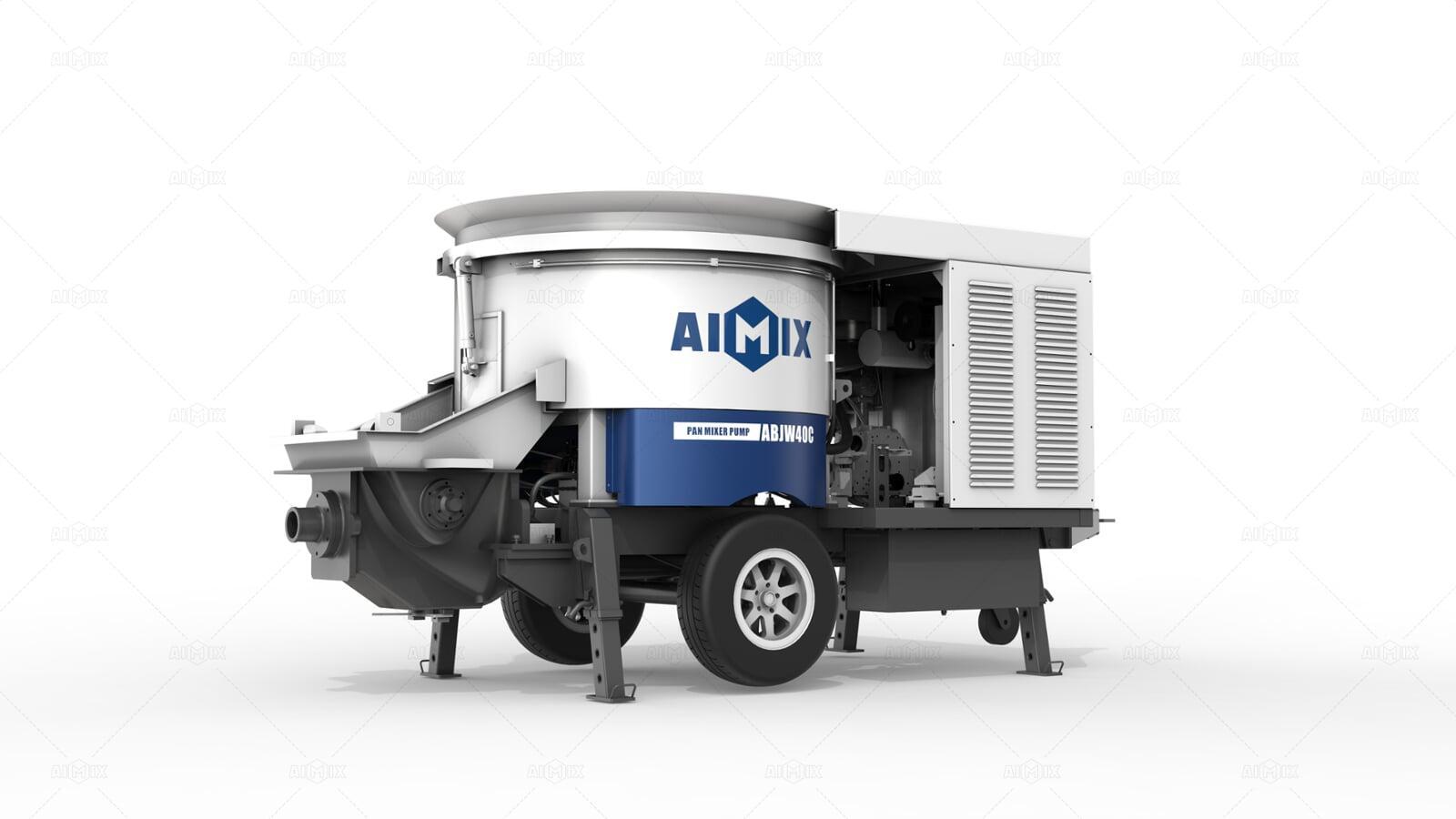
A budget-conscious mixer pump finds its purpose in a well-defined operational niche. It is engineered for small to medium-scale projects with discrete, manageable concrete volumes. Typical applications include residential builds like single-family home foundations and slabs, swimming pools, agricultural structures, small commercial workshops, and landscaping features. These projects rarely demand the 100+ cubic meter per hour output of large truck-mounted concrete boom pumps. Instead, they require a machine capable of a steady, reliable flow of perhaps 20 to 60 cubic meters per hour, with the agility to place concrete in confined or difficult-to-access areas. The budget is allocated not for overwhelming power, but for practical utility. Key features that define quality in this segment include a robust diesel engine known for serviceability, a mechanically simple but durable pumping system with accessible valves and pistons, and a dependable mixing drum with efficient blades. The focus is on selecting a unit where the engineering prioritizes straightforward maintenance and resilience over technological sophistication that increases both purchase price and potential repair complexity.
Strategic Selection Criteria: Balancing Cost, Capability, and Project Fit
Selecting the appropriate model requires a dispassionate analysis of project requirements against machine specifications. The primary metric is output capacity, measured in cubic meters per hour. This must be evaluated against the total volume of the pour and the allowable placement timeline. A pump with too low an output will stretch the pour unnecessarily, risking cold joints and increasing labor costs. One with excessive capacity represents a sunk capital cost for unused capability. The second critical criterion is the pumping configuration, specifically the maximum vertical and horizontal reach. A project involving a two-story structure or a long, low-profile slab has distinctly different reach requirements. A machine with a smaller boom or a flexible pipeline system might be the perfect, cost-effective fit for one but wholly inadequate for the other. Other site-specific factors, such as ground conditions for machine stability and access width for delivery, further refine the selection. The most budget-friendly choice is the one whose capabilities align most closely with the project's technical envelope, avoiding the financial burden of over-specification.
Total Cost of Operation: The True Measure of a Budget Solution
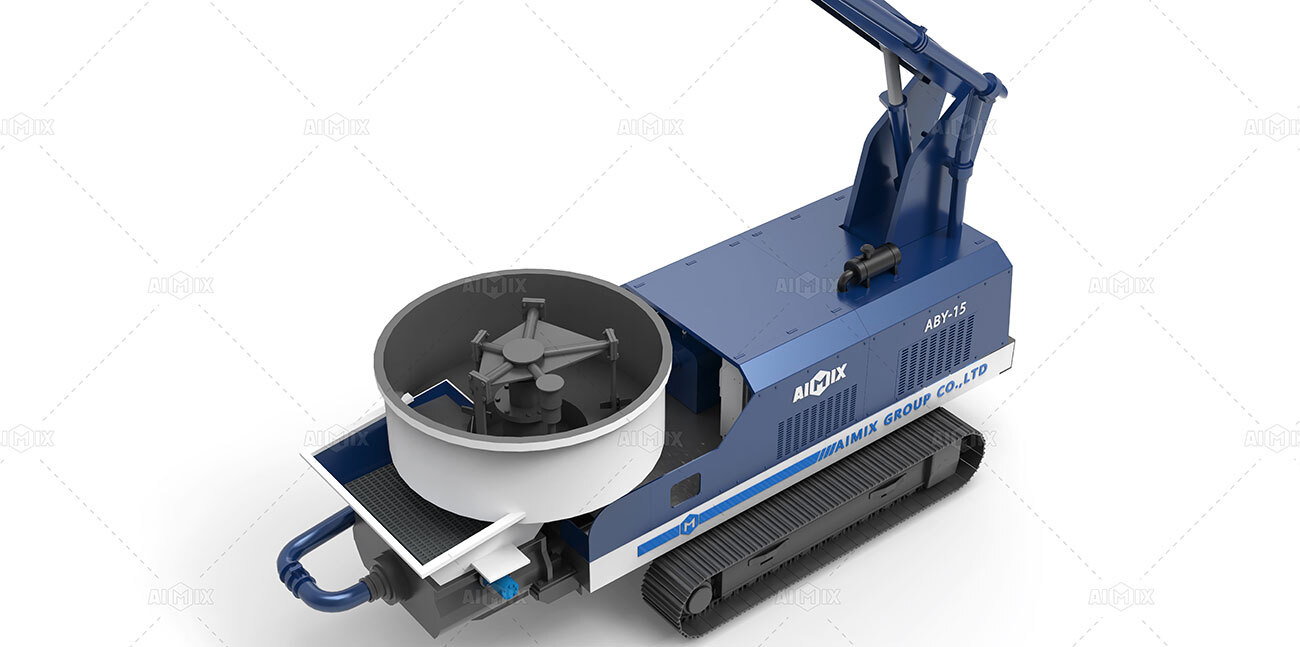
The true economy of a budget mixer pump is revealed not at the point of purchase, but over its operational lifecycle. A low initial concrete mixer with pump price becomes a false economy if the machine is plagued by frequent breakdowns, consumes excessive fuel, or requires obscure, expensive parts. Therefore, the assessment must incorporate the total cost of operation. This includes evaluating the ease of routine maintenance—are grease points accessible? Are common wear items like pumping pistons and mixer blades standardized and readily available? Fuel efficiency of the engine directly impacts daily running costs. Furthermore, the availability and cost of technical support and service from the dealer or manufacturer are paramount. A slightly higher initial investment in a machine from a supplier with a strong local support network often proves far more economical than a cheaper unit with no service backing. Operator skill also influences operational cost; a machine with intuitive controls and common mechanical layouts reduces the risk of costly operator error and shortens the learning curve. The most prudent budget strategy is to select a solution with a proven reputation for reliability within its class, ensuring that low upfront cost does not translate into high lifetime expense through downtime and repair. In essence, a quality budget mixer pump is an exercise in focused efficiency, providing exactly the performance needed for a specific range of applications with an ownership model that prioritizes predictable, manageable operational costs over the long term.