
Concrete pump specifications are sometimes revised after an order has already been confirmed. A project may change its required pumping distance, concrete output, power source, pipeline configuration, or working environment. In Singapore, where construction sites often have limited space and tightly coordinated schedules, even a relatively small specification adjustment can affect equipment configuration, delivery arrangements, installation, and commissioning. For this reason, a concrete pump supplier singapore needs to treat post-order changes as a technical coordination process rather than simply modifying an item on a quotation.
The practical response depends on when the change is requested and whether manufacturing has already started. Changes made before production may be relatively straightforward, while modifications requested after fabrication can involve component replacement, engineering confirmation, additional testing, or revised shipping arrangements. Understanding this process helps contractors communicate changes more precisely and avoid unnecessary delays.
When Can Concrete Pump Specifications Still Be Changed?
The timing of a specification change is usually the first factor suppliers consider. An order can pass through several stages, including technical confirmation, component procurement, fabrication, assembly, testing, and shipment. The later a change is introduced, the more parts of the original production plan may need to be reconsidered.
Changes Before Production Starts
Changes made during the technical confirmation stage are generally easier to accommodate. For example, a contractor may initially request a certain output but later determine that a different pumping capacity better matches the project's concrete demand. Other adjustments may involve the diesel engine, electrical configuration, outlet diameter, or pipeline length.
At this stage, the supplier can normally review the revised specifications before key components are purchased or installed. The updated configuration should then be confirmed in writing so that the production team works from one consistent technical document.
Changes After Manufacturing Has Started
Once fabrication or assembly has begun, the situation becomes more complicated. A modification to a major component can affect mounting dimensions, hydraulic connections, electrical controls, or the overall testing procedure.
Technical Compatibility Comes First
Suppliers generally need to determine whether the requested change is compatible with the existing configuration. Increasing the output, for instance, may require more than changing a single setting. Hydraulic capacity, engine power, valve configuration, cooling requirements, and control parameters may all need to be reviewed.
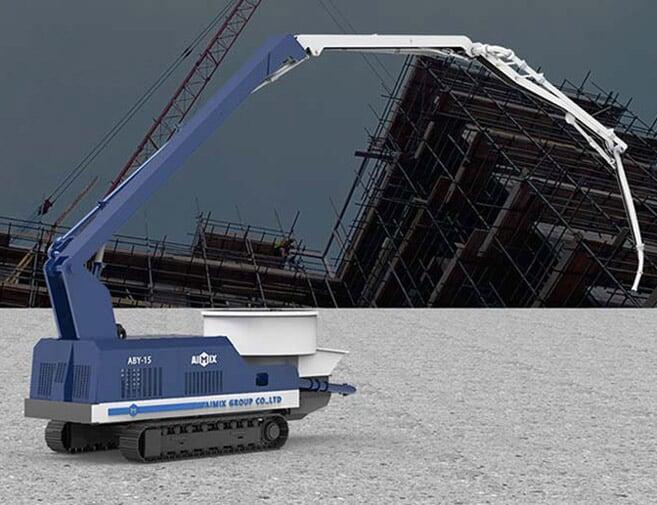
How Suppliers Evaluate a Specification Change
Not every requested modification has the same technical impact. A supplier normally separates minor configuration changes from modifications that affect the pump's core operating system. This distinction helps determine whether the change can be incorporated directly or requires additional engineering work.
Reviewing Pumping Capacity and Pressure
Output and pumping pressure are closely connected to the intended application. A contractor working on a high-rise building, tunnel, foundation, or infrastructure project may revise the required pumping distance after the site layout changes.
A supplier should therefore reassess the pump's operating range rather than treating the requested capacity as an isolated number. The concrete mix, vertical or horizontal conveying distance, pipeline diameter, and expected placement rate can all influence the final configuration.
Checking Power and Component Configuration
Power requirements can also change after an order is placed. A project may move from a grid-powered arrangement to diesel operation, or the contractor may discover that the available electrical supply differs from the original assumption.
For buyers comparing concrete pump companies in singapore, the important consideration is whether the supplier can connect the requested power configuration with the pump's hydraulic and control systems. A seemingly simple engine or motor change may require corresponding adjustments to other components.
Site Conditions Can Trigger Specification Revisions
Restricted access, longer pipelines, changing pouring locations, or revised construction sequences can create new equipment requirements. The supplier therefore needs sufficient site information to determine whether the requested modification addresses the actual operating condition.
What Happens When the Equipment Has Already Been Manufactured?
Post-manufacturing changes require a different approach. If the equipment has already been assembled and tested, the supplier may need to determine whether the modification can be completed before shipment or whether it should be handled after delivery.
Minor Adjustments Versus Major Modifications
Minor adjustments may include accessories, pipeline quantities, fittings, control settings, or other components that do not substantially alter the main pump structure. These changes can sometimes be incorporated during final preparation.
Major modifications are different. Changing the main pumping system, hydraulic configuration, power unit, or structural arrangement may require partial disassembly and another round of testing. The supplier should explain the technical consequences before the buyer confirms the revision.
Rechecking Delivery and Installation Plans
A specification change can also influence transportation. Additional pipelines, accessories, control cabinets, or replacement components may alter the packing arrangement and shipping volume.
For projects using concrete pumping equipment singapore, this coordination becomes particularly relevant when equipment delivery is linked to a fixed construction schedule. The revised equipment should arrive with the necessary components instead of creating a second delivery that interrupts site preparation.
Documentation Should Follow the Final Configuration
The final equipment specification should match the actual machine being delivered. Updated drawings, component lists, electrical information, operating instructions, and testing records can help ensure that the contractor's technical team and installation personnel are working from the same configuration.
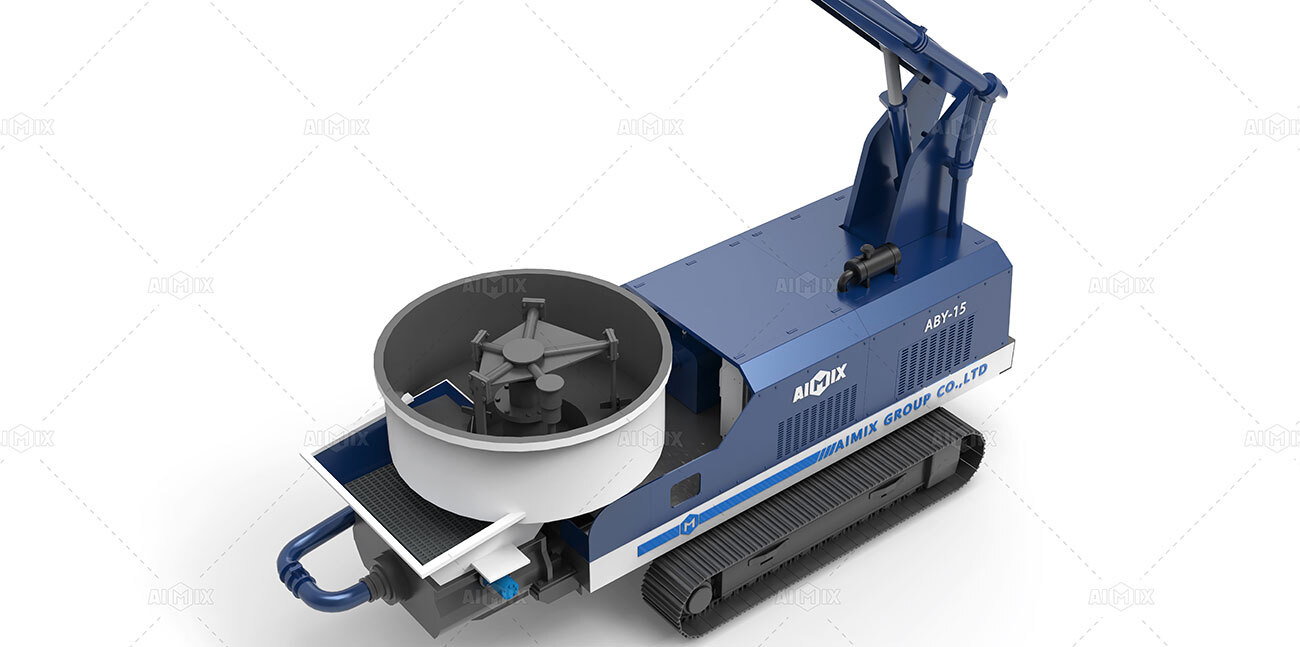
How Contractors Can Reduce Problems When Requesting Changes
Specification changes are easier to manage when the contractor provides precise information. Instead of simply asking for a “larger boom pump” or “higher pressure,” the revised requirement should identify the expected concrete output, pumping distance, placement location, power source, pipeline arrangement, and working conditions.
Confirm the Change Before Production
The most effective point for reviewing specifications is before manufacturing begins. Contractors should check the final technical sheet carefully, including model, output, pressure, power system, accessories, pipeline requirements, and control configuration.
Ask for a Revised Technical Confirmation
When a change is accepted, the revised specification should be documented rather than relying on informal communication. This creates a clear reference for engineering, production, quality inspection, logistics, and site installation.
Coordinate Technical and Commercial Effects
A specification change may affect the equipment configuration, production schedule, additional components, testing requirements, or transportation. These effects should be confirmed together before the revised order is finalized.
Post-order specification changes are therefore best handled through structured technical coordination. The earlier a change is communicated, the more options the supplier has to incorporate it without disrupting production. For contractors, providing accurate site and pumping requirements from the beginning can reduce revisions and keep the final concrete pumping system aligned with the actual construction conditions.